
If you've been dealing with persistent flaky patches, redness, and irritation on your scalp, you're not alone. Seborrheic dermatitis affects approximately 3-5% of the UK population, and while it's not dangerous, it can be frustratingly difficult to manage.
This comprehensive guide covers everything you need to know about seborrheic dermatitis in the UK — from recognising symptoms to understanding NHS treatment options and exploring evidence-based natural approaches.
What Is Seborrheic Dermatitis?
Seborrheic dermatitis (sometimes called seborrheic eczema) is a common inflammatory skin condition that primarily affects areas of your body rich in sebaceous (oil) glands. While it can appear on your face, chest, and back, the scalp is one of the most commonly affected areas.
Unlike simple dandruff, seborrheic dermatitis causes: - Persistent redness and inflammation - Greasy-looking yellow or white flakes - Itching that ranges from mild to severe - Irritation that doesn't improve with regular anti-dandruff shampoos
Is It Serious?
The good news: Seborrheic dermatitis isn't contagious and doesn't cause permanent damage to your scalp or hair follicles. However, it is a chronic condition that tends to flare up and calm down over time, requiring ongoing management.
Recognising the Symptoms
On Your Scalp
The most common symptoms include: - Red, inflamed patches beneath your hair - Greasy, yellowish scales that flake off easily - Persistent itching that's often worse when you're stressed or tired - Crusty buildup along your hairline or behind your ears - Mild hair shedding (temporary, due to inflammation — more on this later)
Beyond the Scalp
Seborrheic dermatitis often appears in other areas: - Eyebrows and eyelashes - Sides of the nose and nasolabial folds - Behind the ears - Centre of the chest - Between shoulder blades
If you notice symptoms in multiple areas, it strengthens the diagnosis of seborrheic dermatitis rather than simple dandruff or another scalp condition.
What Causes Seborrheic Dermatitis?
Despite being so common, the exact cause of seborrheic dermatitis isn't fully understood. Research points to a combination of factors:
1. Malassezia Yeast Overgrowth
The primary culprit appears to be *Malassezia*, a type of yeast that naturally lives on everyone's skin. In people with seborrheic dermatitis, this yeast proliferates beyond normal levels, triggering an inflammatory response.
Here's the important part: Malassezia isn't an infection. It's part of your skin's natural microbiome. The problem isn't the presence of Malassezia — it's the overgrowth and your skin's reaction to it.
2. Immune System Response
Your immune system's response to Malassezia seems to play a key role. This explains why seborrheic dermatitis is more common in people with: - Compromised immune systems (HIV/AIDS, organ transplant recipients) - Neurological conditions (Parkinson's disease) - Periods of stress or illness
3. Sebum Production
Your sebaceous glands produce an oily substance called sebum. Malassezia feeds on sebum, particularly the fatty acids it contains. If you naturally produce more sebum (which varies by genetics, hormones, and other factors), you may be more prone to seborrheic dermatitis.
4. Disrupted Skin Barrier
When your scalp's natural protective barrier is compromised — whether from harsh shampoos, environmental factors, or underlying inflammation — it becomes easier for Malassezia to proliferate and trigger symptoms.
Seborrheic Dermatitis vs. Dandruff: What's the Difference?
This is one of the most common questions we hear. Here's the simple truth:
Dandruff is actually a mild form of seborrheic dermatitis. The difference is severity:
| Feature | Dandruff | Seborrheic Dermatitis | |---------|----------|------------------------| | Redness | Minimal or none | Visible red, inflamed patches | | Flakes | White, dry flakes | Greasy, yellowish scales | | Itching | Mild | Moderate to severe | | Location | Primarily scalp | Scalp + face + body | | NHS Referral | Rarely needed | Sometimes recommended |
If your flaking is accompanied by visible redness and inflammation, you're likely dealing with seborrheic dermatitis rather than simple dandruff.
NHS Treatment Options in the UK
First-Line Treatments (Available Over the Counter)
Most GPs in the UK will recommend starting with medicated shampoos available from your local pharmacy or Boots:
1. Ketoconazole Shampoo (e.g., Nizoral) - Antifungal treatment that targets Malassezia - Use twice weekly initially, then reduce to weekly for maintenance - Leave on for 5-10 minutes before rinsing
2. Selenium Sulphide Shampoo - Reduces yeast levels and slows skin cell turnover - Can discolour blonde, grey, or chemically treated hair - Use twice weekly
3. Zinc Pyrithione Shampoo (Head & Shoulders) - Mild antifungal and antibacterial properties - Suitable for regular use - Less harsh than prescription options
4. Coal Tar Shampoo - Reduces inflammation and slows skin cell production - Strong smell that some find off-putting - Can increase sun sensitivity
When to See Your GP
Book an appointment if: - Over-the-counter treatments haven't improved symptoms after 4 weeks - Your scalp is severely inflamed, painful, or showing signs of infection - Symptoms are significantly affecting your quality of life - You're experiencing noticeable hair loss
Prescription Treatments
If OTC options don't work, your GP may prescribe:
Topical Corticosteroids (e.g., hydrocortisone scalp application) - Reduces inflammation quickly - Short-term use only (2-4 weeks) to avoid skin thinning - Often prescribed alongside antifungal treatment
Stronger Antifungal Preparations - Higher concentration ketoconazole creams or shampoos - Combination treatments with salicylic acid (to remove thick scales)
Important NHS Perspective:
Most GPs will emphasise that seborrheic dermatitis is a chronic condition requiring ongoing management rather than a one-time cure. The goal is symptom control, not elimination.
The Limitations of Conventional Treatments
While NHS-recommended treatments can be effective, many people find:
1. They Only Address Symptoms, Not Root Causes
Antifungal shampoos reduce Malassezia temporarily, but they don't address why the yeast proliferates in the first place — namely, disrupted skin barrier function and scalp microbiome imbalance.
2. Side Effects Can Be Problematic
- Topical steroids can thin the skin with prolonged use - Harsh shampoos may further damage your scalp barrier - Some treatments cause dryness, irritation, or sensitivity
3. Symptoms Often Return When Treatment Stops
This creates a dependency cycle where you're constantly using medicated products to keep symptoms at bay.
Natural Approaches: The Microbiome Perspective
Emerging research suggests that the most sustainable approach to seborrheic dermatitis involves restoring balance to your scalp's microbiome rather than simply attacking Malassezia.
The Microbiome Approach
Your scalp hosts a complex ecosystem of bacteria, fungi, and other microorganisms. When this ecosystem is balanced, beneficial microbes keep Malassezia in check. When it's disrupted, Malassezia can proliferate.
Factors that disrupt scalp microbiome balance: - Harsh, alkaline shampoos that strip natural oils - Over-washing or under-washing - Chlorine from swimming pools - Hard water (particularly problematic in many UK areas) - Stress and lack of sleep - Poor diet lacking in essential nutrients
Evidence-Based Natural Ingredients
Several natural ingredients have shown promise in clinical studies:
1. Marine Algae Prebiotics
Marine algae extracts contain polysaccharides that act as prebiotics — essentially "food" for beneficial skin bacteria. Studies show they can: - Support healthy microbiome diversity - Reduce inflammation - Strengthen the skin barrier - Provide minerals that support scalp health
2. Immortelle (Helichrysum italicum) Flower
Traditional Mediterranean remedy now backed by research showing: - Powerful anti-inflammatory effects - Antioxidant properties that protect skin cells - Soothing effects on irritated scalp tissue
3. Aloe Vera
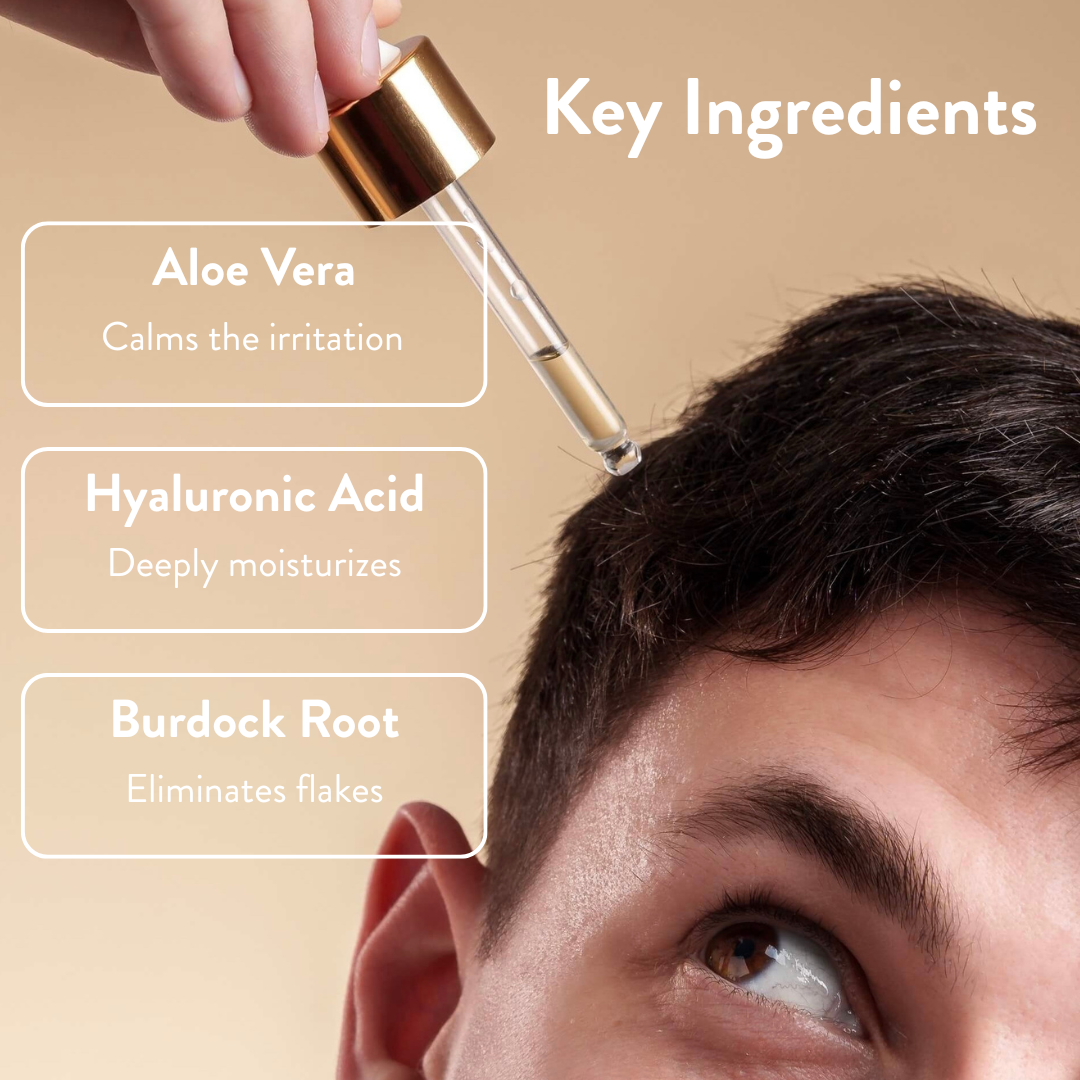
Clinical studies demonstrate aloe vera's ability to: - Reduce scalp inflammation - Hydrate without adding excess oil - Support skin barrier repair - Provide mild antimicrobial effects
4. Hyaluronic Acid
While known for facial skincare, hyaluronic acid benefits the scalp by: - Attracting and retaining moisture in scalp tissue - Supporting barrier function - Reducing irritation and sensitivity
The pH Factor: Why It Matters
Your scalp's natural pH is slightly acidic (around 4.5-5.5). This acidity helps: - Keep Malassezia populations in check - Support beneficial bacteria - Maintain a strong skin barrier
Many shampoos — even some medicated ones — are alkaline (pH 7-10), which disrupts this natural balance. Look for pH-balanced products specifically designed for scalp health.
Lifestyle Factors That Make a Difference
Diet & Gut Health
The gut-skin axis is real. Research shows that gut microbiome health influences skin conditions, including seborrheic dermatitis.
Consider: - Reducing sugar and refined carbohydrates (which can feed yeast) - Increasing omega-3 fatty acids (anti-inflammatory) - Eating plenty of vegetables rich in prebiotics - Avoiding foods that trigger inflammation for you personally
Stress Management
Stress is a well-documented trigger for seborrheic dermatitis flares. The mechanism likely involves: - Immune system changes - Increased cortisol affecting skin function - Changes in skin barrier integrity
Practical stress-reduction strategies: - Regular exercise (even 20-minute walks) - Adequate sleep (7-9 hours) - Mindfulness or meditation practices - Time in nature
Environmental Factors
Hard Water Concerns:
Many UK areas have hard water, which can: - Leave mineral deposits on your scalp - Disrupt pH balance - Interfere with product effectiveness
Consider installing a shower filter if you live in a hard water area (you can check your postcode on your water company's website).
Seasonal Changes:
Many people notice seborrheic dermatitis worsens in winter due to: - Central heating reducing humidity - Cold outdoor air - Stress of season transitions
Adjust your routine seasonally — you may need gentler, more moisturising products in winter.
Building Your Scalp Care Routine
Daily Care
1. Cleanse Appropriately - Most people with seborrheic dermatitis do well washing every 2-3 days - Over-washing strips natural oils; under-washing allows buildup - Use lukewarm water (hot water aggravates inflammation)
2. Leave-In Treatments
Consider a leave-in scalp treatment applied to dry or damp scalp between washes. Benefits include: - Longer contact time with active ingredients - Continuous support for scalp barrier - No harsh rinsing action
3. Gentle Scalp Massage
When applying products, use gentle circular motions with your fingertips (never nails). This: - Improves circulation - Helps distribute natural oils - Feels soothing
Weekly Maintenance
Scalp Exfoliation (gentle)
Once weekly, consider using a very gentle scalp scrub or a soft scalp brush to: - Remove dead skin cells - Prevent scale buildup - Improve product absorption
Deep Conditioning (on lengths only)
If you use conditioner, apply only to hair lengths — not your scalp — to avoid excess buildup.
What About Hair Loss?
One of the most distressing symptoms for many people is noticing increased hair shedding. Here's what you need to know:
Seborrheic dermatitis can cause temporary hair shedding through: - Inflammation around hair follicles - Scratching and physical trauma - Stress and immune response
The reassuring part:
This is almost always temporary. Once inflammation is controlled and your scalp heals, normal hair growth typically resumes. The condition doesn't damage hair follicles permanently.
If you're concerned about hair loss, it's worth reading our detailed guide on [hair loss and seborrheic dermatitis](#) for more information.
When to Seek Specialist Care
While most seborrheic dermatitis can be managed with over-the-counter or GP-prescribed treatments, consider asking for a dermatology referral if:
- Symptoms don't improve after trying multiple treatments for 3+ months - You suspect another condition may be present - Hair loss is significant or persistent - Your quality of life is severely affected - Signs of infection develop (increased pain, pus, fever)
The HairKind Approach
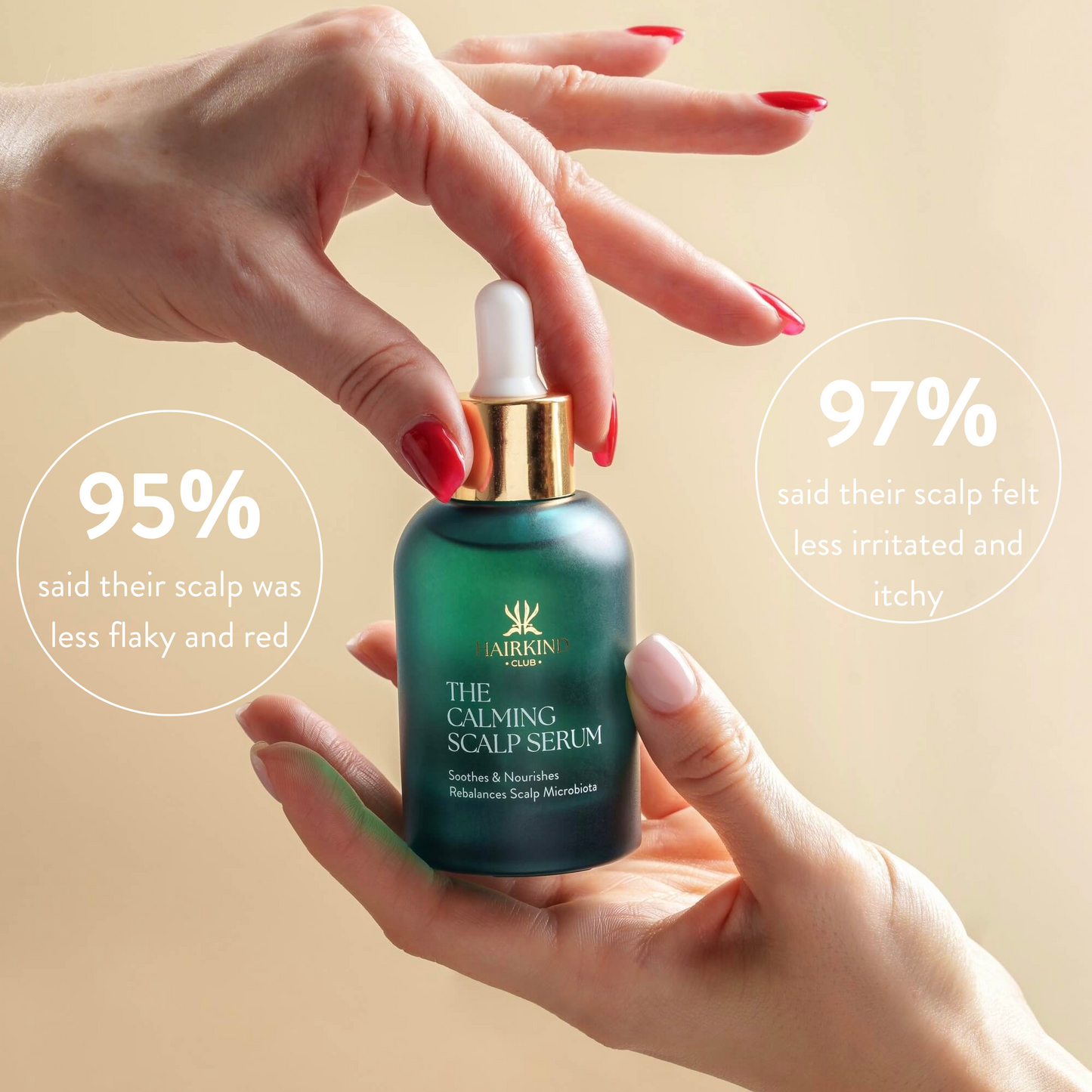
At HairKind Club, our Calming Scalp Serum was specifically developed with seborrheic dermatitis in mind. Rather than simply attacking Malassezia with harsh antifungals, we focus on restoring your scalp's natural balance through:
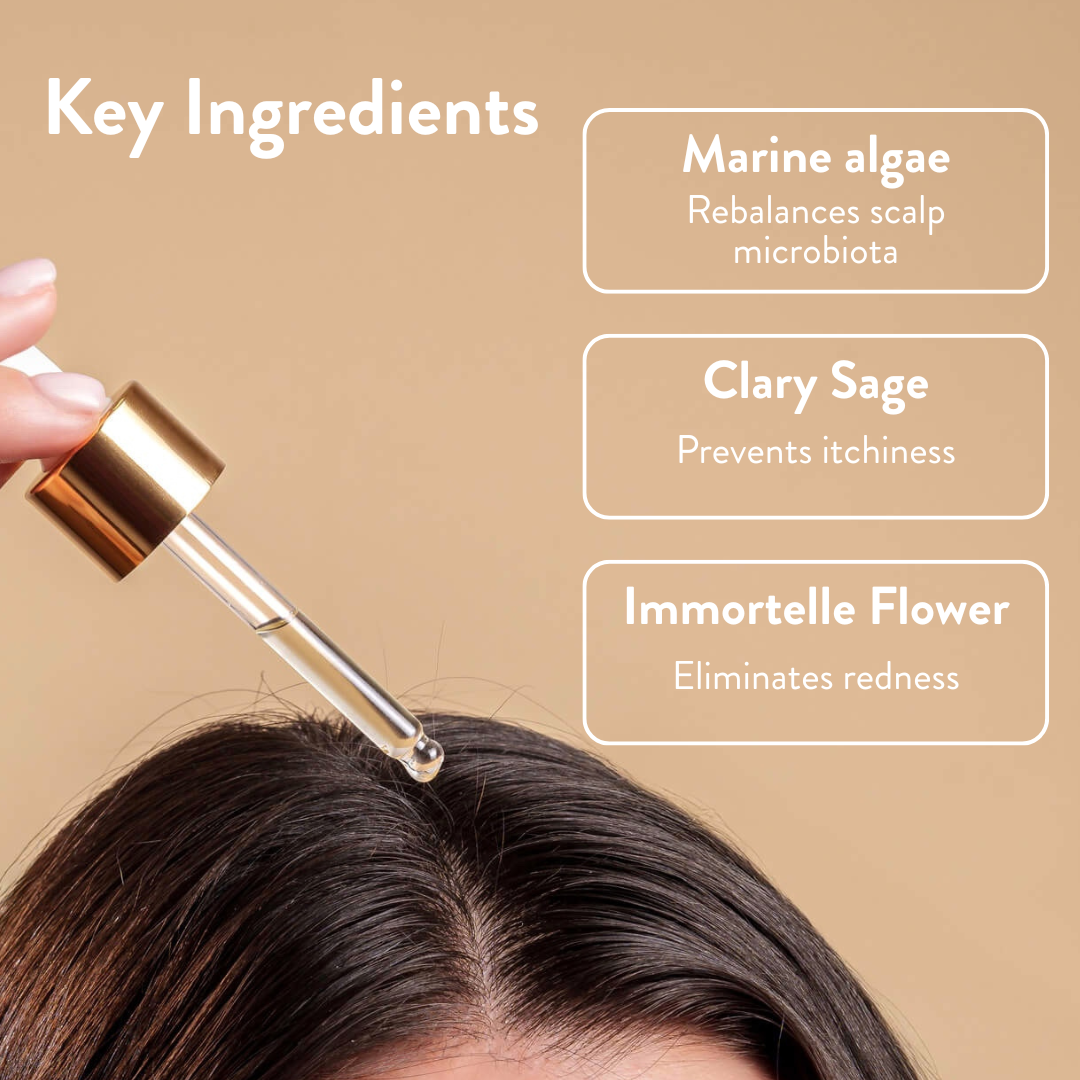
- Marine algae prebiotic to support healthy microbiome diversity - pH-balanced formula (4.5) that maintains your scalp's natural acidity - Anti-inflammatory botanicals including immortelle flower and clary sage - Barrier-supporting ingredients like hyaluronic acid and aloe vera - Leave-in application for continuous support throughout the day
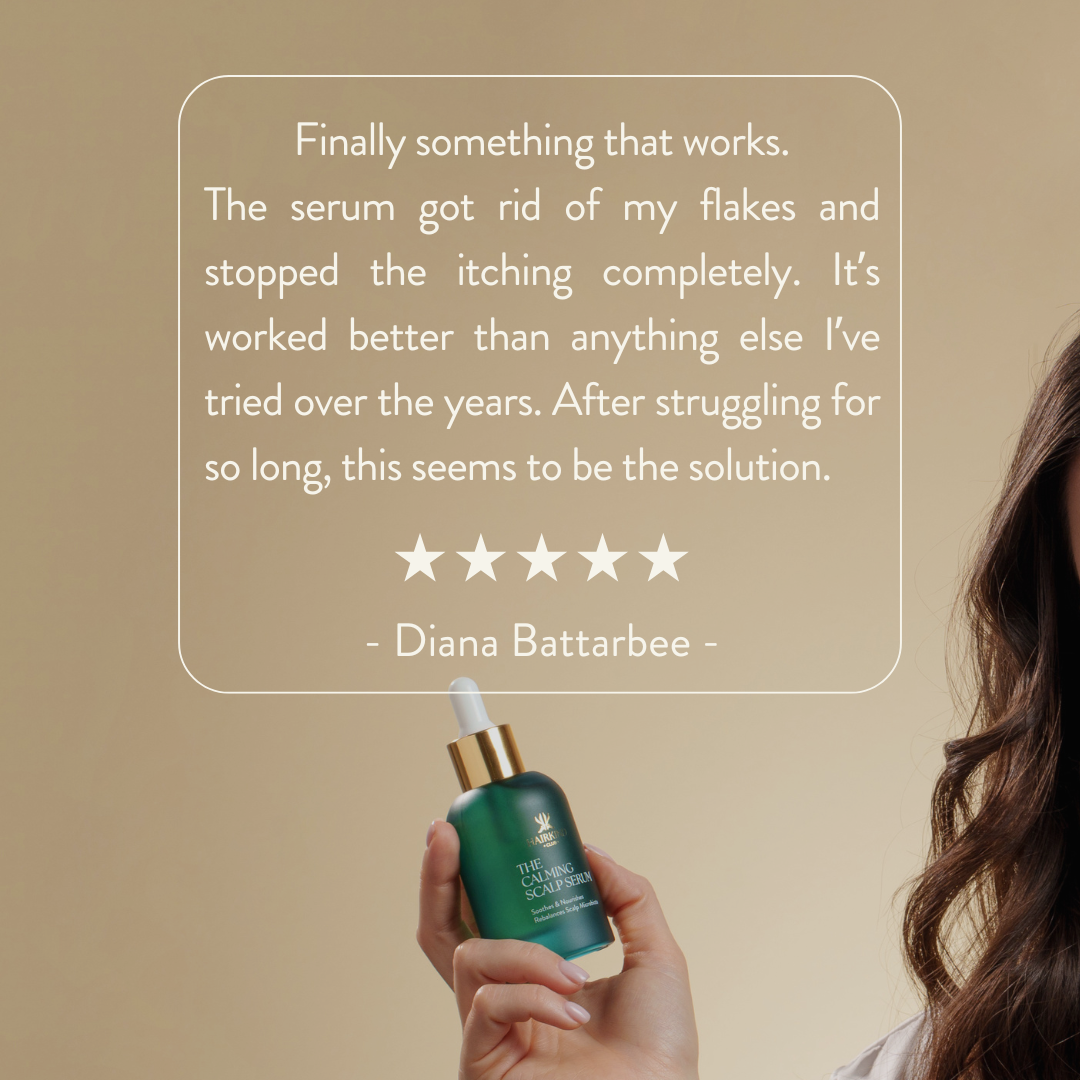
Our customers with seborrheic dermatitis report that within 2-4 weeks of daily use, they notice: - Reduced redness and inflammation - Less flaking and scaling - Decreased itching - Improved overall scalp comfort
[Learn more about The Calming Scalp Serum](#)
Living Well with Seborrheic Dermatitis
While seborrheic dermatitis is a chronic condition, it doesn't have to control your life. With the right combination of: - Understanding your triggers - Gentle, consistent scalp care - Microbiome-supporting products - Lifestyle factors that support overall health
...most people find they can keep symptoms minimal and prevent major flares.
Remember: Your scalp is skin, and like all skin, it responds best to gentle, consistent care rather than harsh, intermittent treatments.
Key Takeaways
✅ Seborrheic dermatitis is caused by a combination of Malassezia yeast overgrowth, immune response, and disrupted skin barrier — not poor hygiene
✅ NHS treatments focus on symptom management with antifungal shampoos and short-term steroids
✅ Natural approaches targeting microbiome balance and barrier support offer a sustainable long-term strategy
✅ Hair loss from seborrheic dermatitis is almost always temporary and reversible
✅ Consistency matters more than intensity — gentle daily care beats aggressive periodic treatment
---
Have questions about managing seborrheic dermatitis? Browse our complete [Scalp Health Hub](#) for more evidence-based guides and natural solutions.
References: - British Association of Dermatologists: Seborrheic Dermatitis Patient Information Leaflet - NHS.uk: Seborrheic Dermatitis Treatment Guidelines - NICE Clinical Knowledge Summaries: Seborrheic Dermatitis (2024) - National Eczema Society: Seborrheic Dermatitis in Adults
*Medical Disclaimer: This article is for informational purposes only and doesn't replace professional medical advice. Always consult your GP or dermatologist for personalised guidance.*