
If you've noticed more hair in your brush lately — or worse, visible thinning patches on your scalp — and you're dealing with seborrheic dermatitis, you're likely feeling anxious. Perhaps even panicked.
The single most common question we hear from people with seborrheic dermatitis isn't about the flaking or itching. It's this:
"Am I going to lose my hair?"
Let's address that fear directly, with evidence and honesty.
The Short Answer
In almost all cases, hair loss caused by seborrheic dermatitis is temporary and fully reversible once the underlying inflammation is controlled.
Seborrheic dermatitis does not typically cause permanent damage to hair follicles. Unlike scarring alopecias that destroy follicles permanently, the hair loss associated with seborrheic dermatitis is usually a form of telogen effluvium — temporary shedding triggered by inflammation and stress to the scalp.
But understanding why it happens and what to do about it requires looking deeper.
Why Seborrheic Dermatitis Causes Hair Shedding
The Hair Growth Cycle: A Quick Primer
Your hair follicles cycle through three phases:
1. Anagen (Growth Phase): 2-7 years — hair actively grows 2. Catagen (Transition Phase): 2-3 weeks — growth stops 3. Telogen (Resting Phase): 2-4 months — hair rests before shedding
At any given time, approximately 85-90% of your hair is in the growth phase, and 10-15% is resting. This is normal.
What Seborrheic Dermatitis Does
When your scalp is inflamed from seborrheic dermatitis, several things happen that can push more hair into the resting (telogen) phase prematurely:
1. Chronic Inflammation
The inflammatory response to Malassezia yeast creates a hostile environment around hair follicles. Your body interprets this inflammation as a signal that something is wrong, triggering affected follicles to enter the resting phase early.
2. Immune System Activation
The immune response that drives seborrheic dermatitis doesn't just target yeast — it creates a broader inflammatory state that affects surrounding tissue, including hair follicles.
3. Physical Disruption
Scratching an itchy scalp — which is incredibly difficult to resist — can: - Physically damage hair shafts (causing breakage) - Traumatise follicles - Worsen inflammation - Create a vicious cycle
4. Reduced Blood Flow
Chronic inflammation can temporarily reduce microcirculation to hair follicles, limiting nutrient and oxygen delivery during critical growth phases.
Telogen Effluvium: The Medical Term
When a significantly larger-than-normal percentage of your hair enters the resting phase simultaneously due to a stressor (in this case, scalp inflammation), it's called telogen effluvium.
The hallmark of telogen effluvium is: - Diffuse thinning (not specific bald patches) - Increased shedding 2-4 months after the triggering event - Complete reversibility once the stressor is removed
How to Know If It's Seborrheic Dermatitis Causing Hair Loss
Signs It's Likely Sebderm-Related:
✓ Hair loss began or worsened alongside a seborrheic dermatitis flare ✓ Shedding is diffuse across the scalp rather than in specific patches ✓ You're experiencing active inflammation, flaking, and itching ✓ The shed hairs have a small white bulb at the root (telogen hairs) ✓ No family history of male/female pattern hair loss at your age
Warning Signs to See a Doctor:
⚠ Hair loss is patchy or creating distinct bald spots ⚠ Your scalp shows signs of scarring (shiny, smooth patches) ⚠ Hair loss continues despite seborrheic dermatitis improving ⚠ Eyebrows or other body hair are also thinning ⚠ You have other symptoms (fatigue, weight changes, etc.)
These could indicate: - Alopecia areata (autoimmune) - Scarring alopecia (requires urgent treatment) - Thyroid disorder - Nutritional deficiency - Other conditions requiring specific treatment
Always get a proper diagnosis from your GP or dermatologist if you're concerned.
The Timeline: When Will Hair Grow Back?
This is the question everyone wants answered. Here's what research tells us:
The Frustrating Delay
Because of how the hair growth cycle works, you may notice:
Weeks 0-4 after flare: Inflammation is active, but hair loss hasn't peaked yet
Weeks 4-12: Peak shedding occurs (this is when panic often sets in)
Weeks 12-16: Shedding slows as inflammation reduces
Months 4-6: New growth becomes visible (tiny "baby hairs" at the hairline)
Months 6-12: Noticeable return to normal density
Full recovery: 12-18 months to return to pre-shedding appearance
Why So Long?
Remember, hair grows slowly — typically about 1cm (half an inch) per month. Even once follicles re-enter the growth phase, it takes time for new hair to reach a visible length.
The key insight: If you can stop the inflammation quickly, you can prevent additional hair from entering the shedding phase, which shortens the overall timeline.
How to Stop Hair Loss and Support Regrowth
Priority #1: Reduce Scalp Inflammation
Everything else is secondary to this. Your immediate goal is to calm the inflammatory environment on your scalp.
Evidence-based approaches:
Medicated treatments (consult your GP): - Ketoconazole shampoo (2% prescription strength if OTC isn't working) - Short-term topical corticosteroid to quickly reduce inflammation - Selenium sulphide or zinc pyrithione shampoos
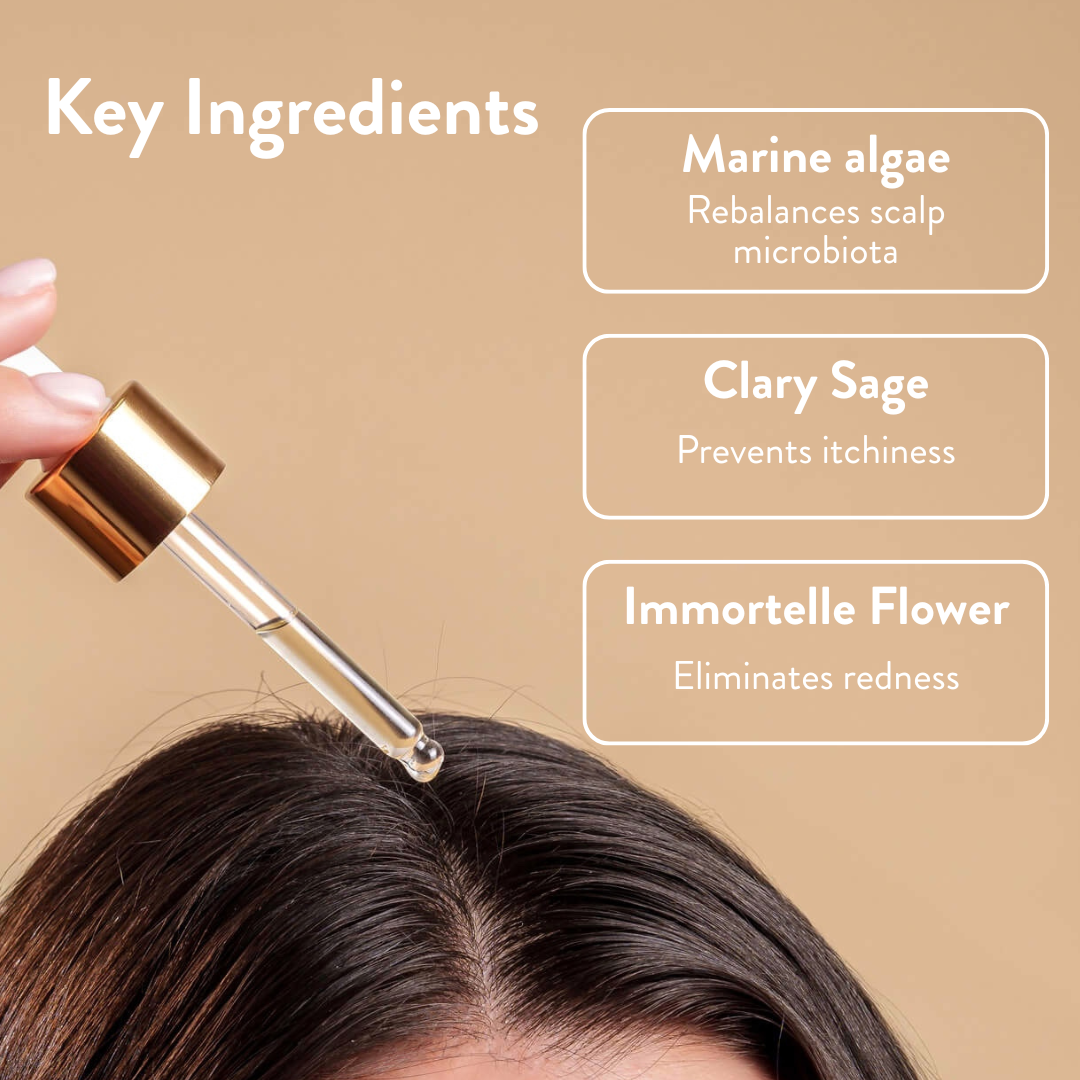
Microbiome-supporting treatments: - Products containing prebiotics to restore scalp balance - pH-balanced formulations (4.5-5.5) - Anti-inflammatory botanicals (immortelle, aloe vera, clary sage)
At HairKind Club:
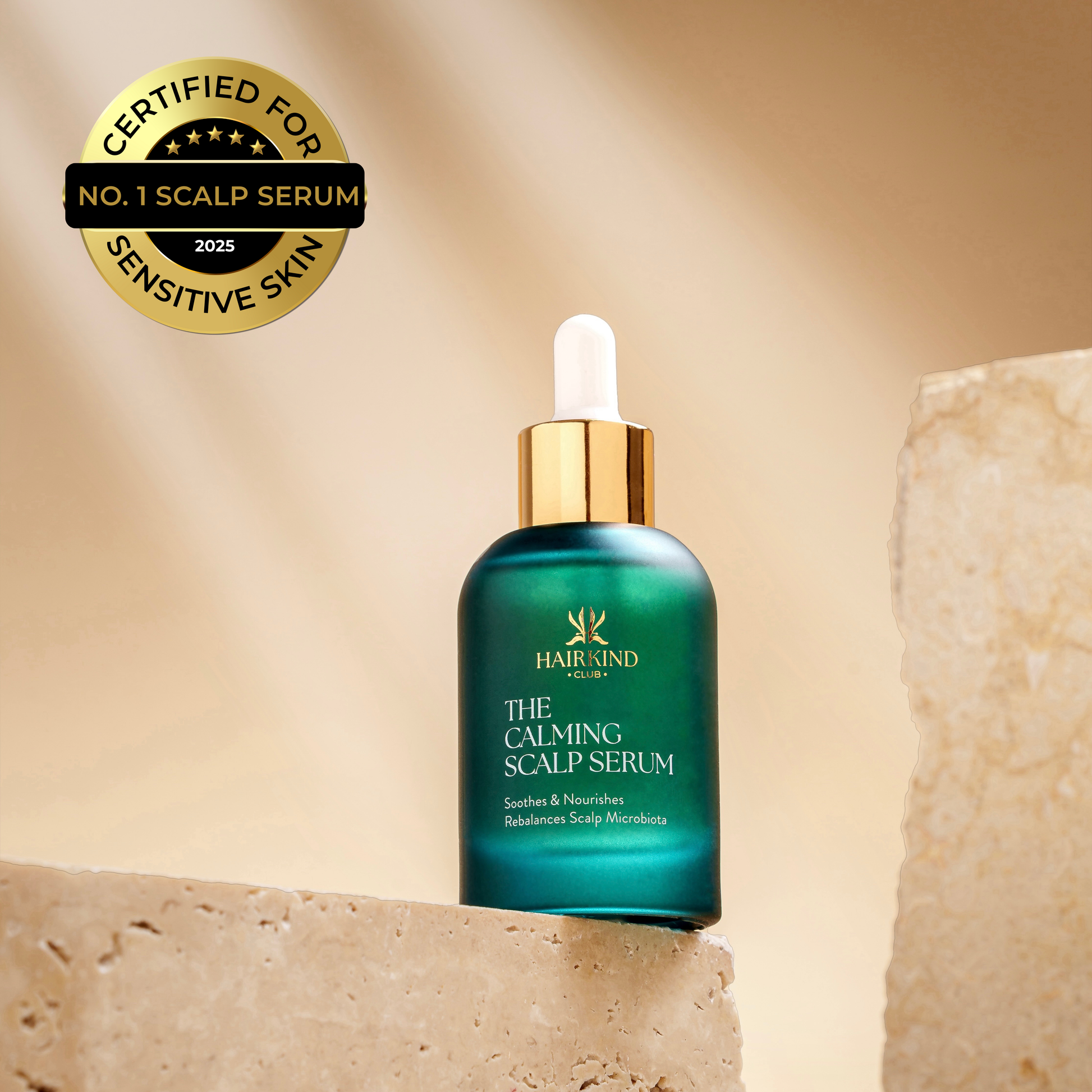
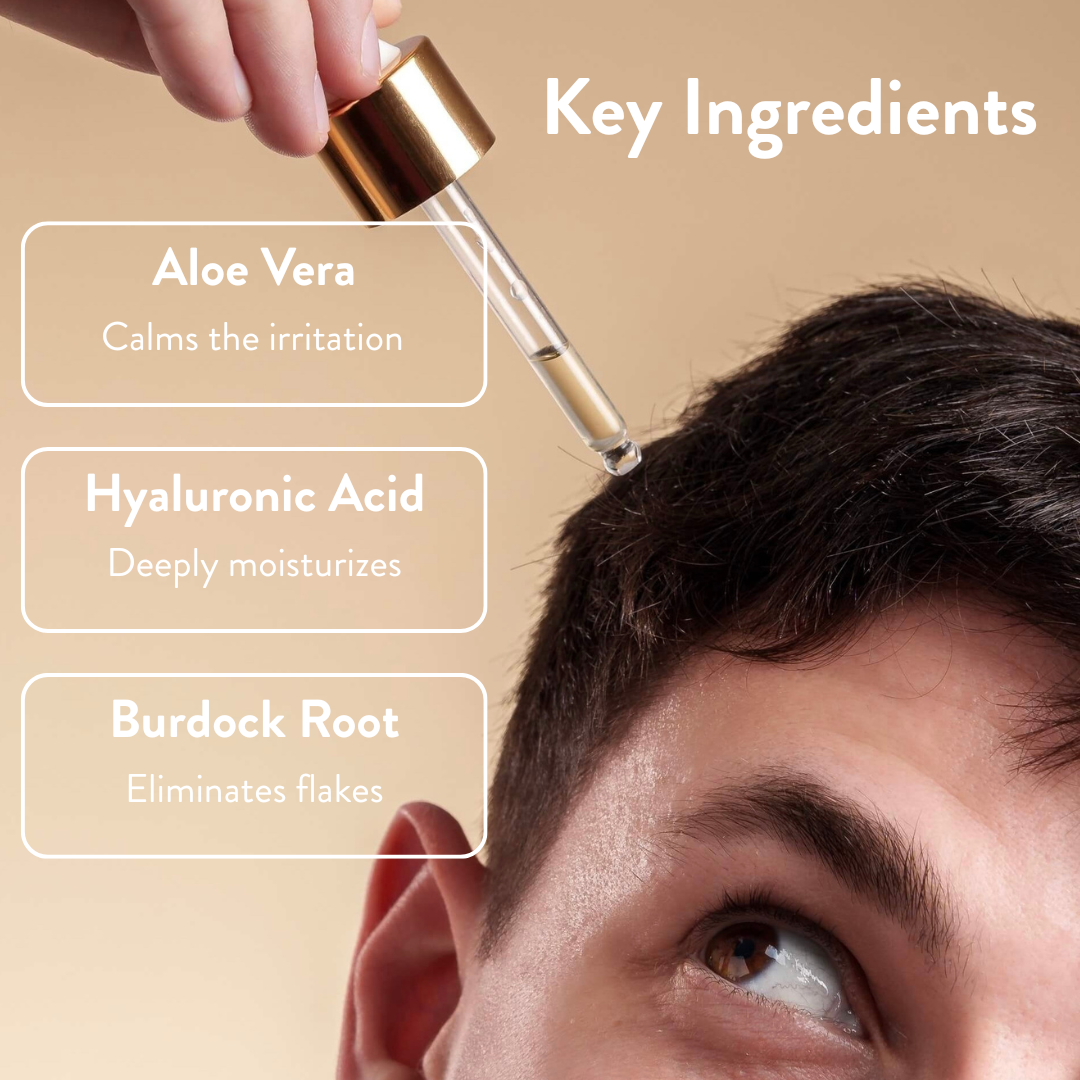
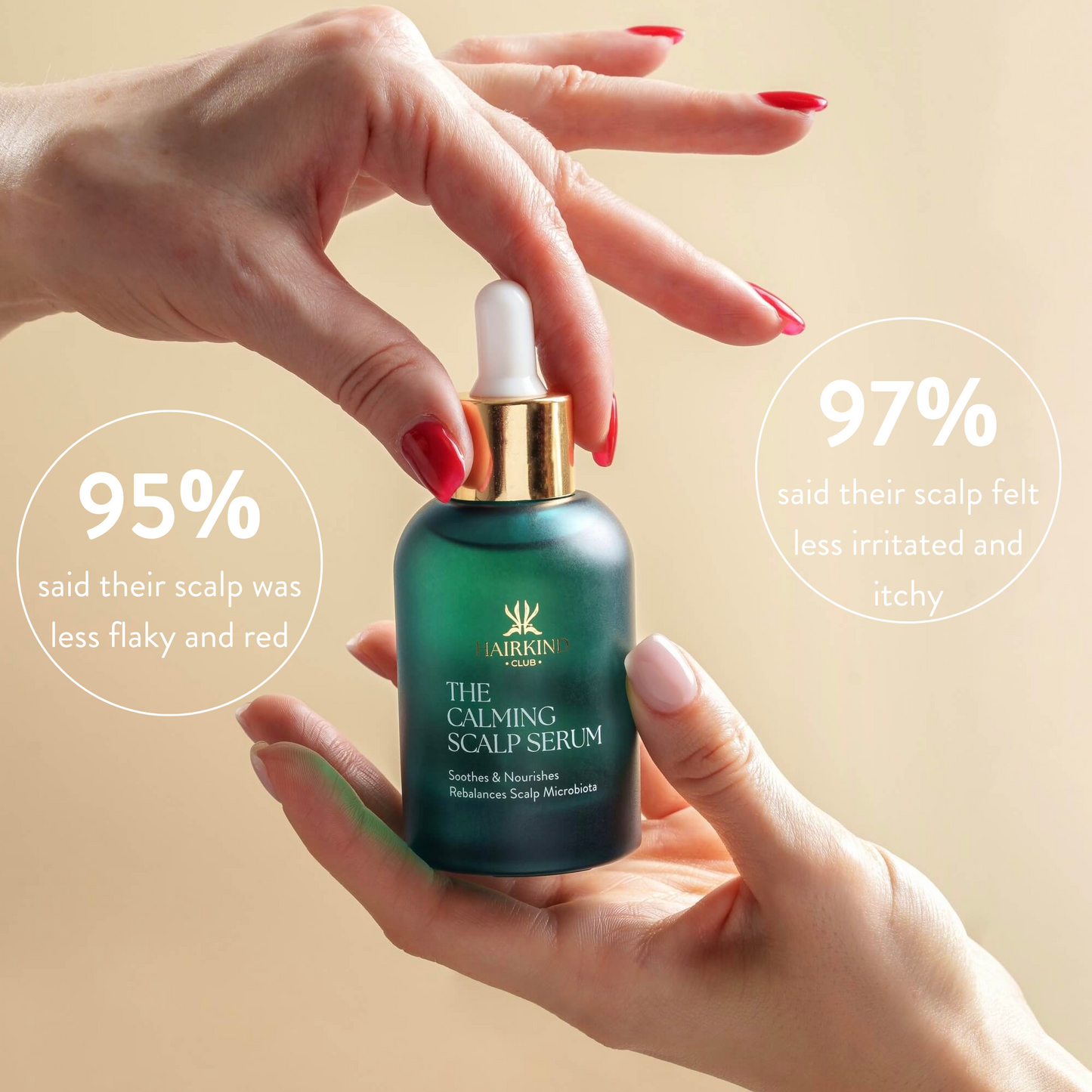
Our Calming Scalp Serum was specifically developed to address inflammation while supporting your scalp's natural healing: - Marine algae prebiotics restore microbiome balance - Immortelle flower provides powerful anti-inflammatory effects - Hyaluronic acid supports barrier repair - Leave-in formula provides continuous soothing support
Many customers report reduced shedding within 2-4 weeks of consistent daily use. [Learn more about our approach](#)
Priority #2: Stop the Itch-Scratch Cycle
Scratching provides momentary relief but worsens inflammation and can physically damage hair.
Strategies that help:
Immediate relief: - Cold compresses on itchy areas - Gentle scalp massage (not scratching) - Aloe vera gel applied directly to irritated spots - Distraction when the urge to scratch hits
Long-term solutions: - Leave-in treatments that calm nerve endings - Stress reduction (stress worsens itching) - Antihistamines before bed if night-time itching disrupts sleep (consult GP)
Priority #3: Support Your Scalp's Healing Environment
Gentle cleansing: - Avoid hot water (lukewarm only) - Don't over-wash (2-3 times per week for most people) - Use fingertips, never nails - Choose sulphate-free, pH-balanced shampoos
Nutrition for hair health:
While nutrition won't cure seborrheic dermatitis, supporting your body's healing capacity helps:
- Protein: Hair is primarily keratin (protein). Aim for adequate intake - Iron: Deficiency can worsen hair loss; consider testing if you're at risk - Vitamin D: Low levels associated with both sebderm and hair loss - Omega-3 fatty acids: Anti-inflammatory, support scalp health - Zinc: Involved in skin healing and immune function (but don't over-supplement)
Lifestyle factors:
- Manage stress: Cortisol worsens both sebderm and telogen effluvium - Sleep well: Skin and hair repair happens during sleep - Exercise regularly: Improves circulation to scalp - Avoid smoking: Reduces blood flow, worsens inflammation
Priority #4: Be Patient and Consistent
The hardest part about dealing with sebderm-related hair loss is the waiting.
Realistic expectations: - Don't expect overnight changes - Track progress with monthly photos (your perception can be unreliable) - Understand that some shedding is normal even with treatment - Stay consistent with your routine for at least 3 months before evaluating
What NOT to Do
When you're anxious about hair loss, it's tempting to try everything. Avoid these common mistakes:
❌ Don't over-wash your hair thinking it will help → This can worsen inflammation and shedding
❌ Don't start multiple treatments simultaneously → You won't know what's working, and may irritate your scalp further
❌ Don't use harsh anti-dandruff shampoos daily → These are meant for 2-3x weekly use maximum
❌ Don't panic and start minoxidil without medical advice → It's not necessary for telogen effluvium and creates long-term dependency
❌ Don't neglect your mental health → Hair loss anxiety can become a vicious cycle; seek support if needed
Hair Loss vs Hair Breakage: An Important Distinction
Sometimes what looks like hair loss is actually breakage — hair snapping off along the shaft rather than falling out from the root.
Telogen effluvium (true shedding): - Hair falls out with a white bulb at the root - Full-length hairs in your brush or shower - Happens 2-4 months after inflammation peaks
Breakage: - Short, broken pieces of varying lengths - No white bulb (hair broke mid-shaft) - Happens during active inflammation, especially from scratching
Both can occur simultaneously with seborrheic dermatitis, but they're different problems requiring different solutions.
Real Stories: What to Expect
Sarah, 34, London
"The hair loss was the final straw. I'd dealt with the flaking and itching for years, but when I noticed my ponytail was half the thickness, I broke down. My GP prescribed ketoconazole shampoo and referred me to a dermatologist.
The dermatologist assured me it was temporary if I got the inflammation under control. I started using The Calming Scalp Serum daily alongside the medicated shampoo twice weekly.
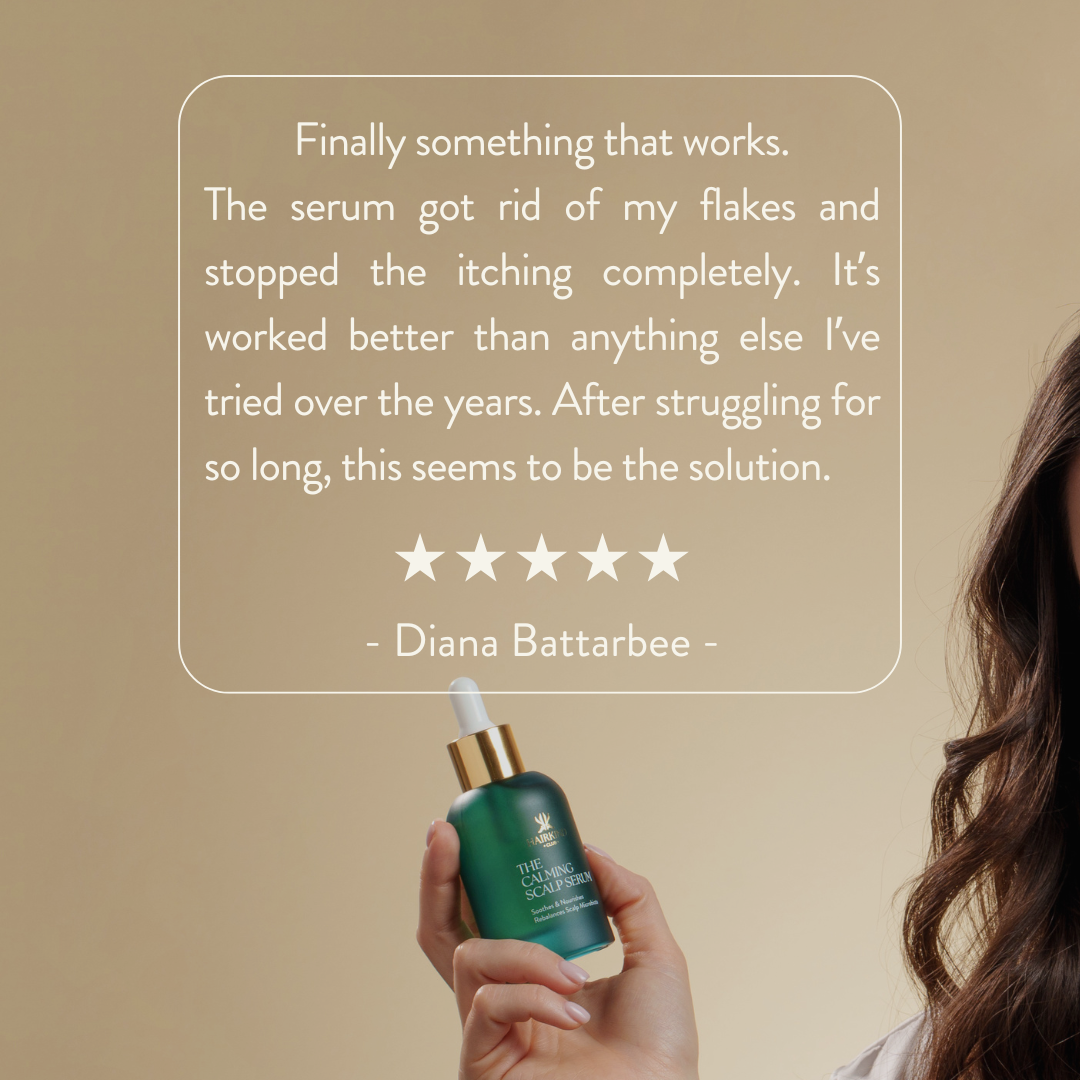
Within a month, the shedding slowed noticeably. At three months, I could see baby hairs growing in. Now, six months later, my hair density is almost back to normal. It was terrifying, but knowing it was reversible helped me stay patient."
Michael, 28, Manchester
"I thought I was going bald like my dad. I panicked and started researching hair transplants. Then my dermatologist explained it was telogen effluvium from my seborrheic dermatitis flare, not genetic hair loss.
Once I understood what was happening, I focused on calming my scalp inflammation. I switched to gentle, pH-balanced products, stopped over-washing, and used a leave-in scalp treatment daily.
The shedding stopped after about 6 weeks, and new growth appeared around the 4-month mark. I wish I'd understood this from the beginning — would have saved me a lot of stress."
When Hair Loss Might Be Something Else
While seborrheic dermatitis commonly causes temporary shedding, occasionally it coexists with other forms of hair loss:
Androgenetic alopecia (pattern hair loss): - Genetic male/female pattern baldness - Can occur alongside seborrheic dermatitis - Requires different treatment (minoxidil, finasteride) - Gradual, progressive thinning in characteristic patterns
Alopecia areata: - Autoimmune condition - Round, smooth bald patches (not diffuse thinning) - Can occur with other autoimmune conditions - Requires specialist treatment
If your GP or dermatologist suspects something beyond sebderm-related telogen effluvium, they may: - Check thyroid function - Test iron and vitamin D levels - Perform a pull test or scalp biopsy - Refer you to a dermatologist or trichologist
The Bottom Line: Hope and Action
If you're experiencing hair loss alongside seborrheic dermatitis, here's what you need to remember:
✅ It's almost certainly temporary — seborrheic dermatitis doesn't permanently damage hair follicles
✅ It's reversible — once inflammation is controlled, hair regrowth typically occurs within 4-6 months
✅ You're not powerless — effective treatments exist to reduce inflammation and support healing
✅ Time is on your side — the sooner you address scalp inflammation, the less overall hair loss you'll experience
The hair loss might be what finally pushed you to take your seborrheic dermatitis seriously. In that sense, it's a wake-up call — one that can ultimately lead you to a healthier, more balanced scalp.
Next Steps
1. See your GP or dermatologist for proper diagnosis and to rule out other causes 2. Start an anti-inflammatory scalp routine focusing on gentle, consistent care 3. Give it time — track progress with monthly photos rather than daily mirror checks 4. Support your overall health through nutrition, stress management, and sleep 5. Stay consistent — the hair growth cycle is slow, but it works
Need More Support?
- Read our complete guide to [Seborrheic Dermatitis](#) for in-depth treatment information - Learn about [Understanding Your Scalp Microbiome](#) and why it matters - Explore [The Calming Scalp Serum](#) designed specifically for inflammatory scalp conditions
---
Have you experienced hair loss from seborrheic dermatitis? You're not alone, and there's hope for recovery. Share your experience in the comments or reach out to our customer care team for personalised guidance.
References: - British Journal of Dermatology: Telogen Effluvium and Seborrheic Dermatitis - International Journal of Trichology: Hair Loss in Inflammatory Scalp Disorders - American Academy of Dermatology: Telogen Effluvium Recovery Timeline - British Association of Dermatologists: Seborrheic Dermatitis Patient Information
*Medical Disclaimer: This article is for informational purposes only. Always consult with a qualified healthcare professional for personalised medical advice.*